




Why your vacuum pump is underperforming.
What causes it, and how to fix it
When a vacuum pump is not pulling enough vacuum, the issue is usually one of four things: air leakage, worn internal components, contamination, or incorrect operating conditions. In most cases, the pump itself is not “dead” — it is simply unable to reach its designed vacuum level because something is reducing efficiency.
This is one of the most common problems seen across industrial vacuum systems, particularly on dry running, and oil lubricated rotary vane vacuum pumps, claw pumps, and side channel blowers used in manufacturing, packaging, CNC routing, thermoforming, and general industrial process applications.
At VacAir Superstore, this is one of the most common service enquiries we receive. The good news is that poor vacuum performance is usually traceable, and in many cases, quickly fixable.
Why Is My Vacuum Pump Not Pulling Enough Vacuum?
If your vacuum pump is running, but the vacuum level is lower than expected, the most likely causes are:
- Air leaks in pipework, fittings, seals, or valves
- Worn carbon vanes or internal pump wear
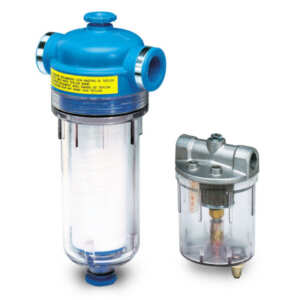
- Blocked filters or restricted airflow
- Incorrect oil condition (oil-lubricated pumps)
- Process demand exceeding pump capacity
- Internal contamination or moisture ingress
- Incorrect rotation direction (3 phase pumps)
- Faulty vacuum gauge giving a false reading
A vacuum pump can only achieve its design performance when the entire system is sealed, clean, and operating correctly. In many cases, the pump is blamed when the real issue could lay elsewhere in the system.

- Check for Air Leaks First
Before assuming the pump has failed, check the system for leaks.
Even a small leak can significantly reduce vacuum performance. Vacuum pumps rely on a sealed system to create negative pressure. If air is continuously entering through leaks, the pump may run normally but never reach the required vacuum level.
Common leak points include:
- Pipe joints and threaded fittings
- Vacuum hoses
- Damaged seals and gaskets
- Isolation valves
- Filter housings
- Cracked manifolds
- Worn suction cups or process tooling
Air leaks are one of the most common causes of poor vacuum performance and are often the quickest issue to resolve.
Typical symptom: Pump runs continuously but vacuum level remains low and unstable.

- Worn Vanes or Internal Wear
For dry running rotary vane vacuum pumps such as many Becker, DVP and Elmo Rietschle models, worn carbon vanes are one of the most common reasons for reduced vacuum performance.
As vanes wear, the pump loses its ability to seal and compress air efficiently, reducing achievable vacuum.
ALL pumps have a minimum wear dimension, where they should be changed before they reach this point.
Signs of vane wear include:
- Reduced ultimate vacuum
- Slower evacuation time
- Increased running noise
- Carbon dust around exhaust filters
- Higher operating temperature
Carbon vanes are consumable parts and should be inspected regularly.
Running dry running rotary vane pumps below minimum vane wear point can result in pump seizure and an expensive repair.
For oil-lubricated rotary vane pumps, similar symptoms may be caused by:
- Worn internals
- Poor oil condition
- Internal scoring
- Contaminated separators


- Blocked Filters Restrict Performance
A blocked inlet filter can starve the pump of airflow and reduce performance.
This is especially common in dusty environments such as:
- CNC routing
- woodworking
- print finishing
- packaging
- plastics processing
A clogged filter restricts air entering the pump, reducing efficiency and increasing running temperature.
Check:
- Inlet filter elements
- Exhaust filters
- Silencers
- Separator elements
Blocked filtration is a simple but frequently overlooked cause of poor vacuum performance.
- Oil Condition (Oil-Lubricated Pumps)
On oil-lubricated rotary vane pumps, oil condition directly affects vacuum performance.
Old, contaminated, or incorrect oil reduces sealing efficiency and can significantly reduce achievable vacuum.
Common oil-related causes include:
- Oil past service interval
- Incorrect oil grade
- Moisture contamination
- Process contamination
- Low oil level
If the oil is dark, milky, or smells burnt, it should be changed immediately.
Poor oil condition is one of the most common causes of low vacuum on oil-lubricated pumps such as Busch and DVP systems.
Sometimes the pump is healthy, but demand has increased beyond system capacity.
This often happens when:
- Additional tooling has been added
- More suction points are in use
- Cycle speed has increased
- Pipe runs have been extended
- Process demand has changed
In this case, the pump may still be functioning correctly, but system demand now exceeds available flow or vacuum capacity.
Typical symptom:
The pump performs acceptably at low demand but struggles during full production.
- Check the Vacuum Gauge
It sounds obvious, but vacuum gauges fail more often than many expect.
A faulty gauge can suggest poor vacuum performance when the pump is actually operating correctly.
Always verify:
- Gauge calibration
- Gauge range suitability
- Connection integrity
- Blocked gauge port
- Physical damage
Before assuming the pump is underperforming, confirm the reading is accurate.
- Moisture and Contamination Inside the Pump
Moisture, dust, product carryover, or process contamination can reduce pump performance dramatically.
Common examples include:
- Water vapour condensing internally
- Dust build-up
- Resin contamination
- Oil degradation
- Carbon debris
Contamination reduces internal efficiency, increases wear, and often causes progressive loss of performance.
Common Signs of Poor Vacuum Performance
If your vacuum pump is not pulling enough vacuum, you may notice:
- Slower process cycle times
- Poor hold-down on CNC beds
- Weak clamping force
- Inconsistent forming results
- Vacuum level lower than normal
- Pump running hotter than usual
- Pump running continuously
- Reduced production efficiency
These symptoms usually indicate either system leakage, internal wear, or service-related issues.
How to Improve Vacuum Pump Performance
In many cases, vacuum performance can be restored by:
- Replacing filters
- Checking for leaks
- Changing oil
- Replacing vanes
- Servicing separators
- Cleaning the system
- Checking gauge accuracy
- Reviewing pump sizing
Poor vacuum performance does not always mean pump replacement is required. In many cases, a correctly serviced pump will return to full operating performance.
When to Repair vs Replace
If the pump has:
- worn vanes
- high hours
- poor oil condition
- internal scoring
- overheating history
…then it may need either servicing, a service kit, vacuum pump vanes, or overhaul.
However, if the pump is correctly maintained and the issue is elsewhere in the system, replacement is often unnecessary.
A proper diagnosis usually saves significant cost.
Need Help Diagnosing Low Vacuum Performance?
If your vacuum pump is not pulling enough vacuum, the cause is usually identifiable with a few structured checks.
At VacAir Superstore, we help customers diagnose vacuum performance issues across Becker, Busch, DVP and Elmo Rietschle vacuum pumps every day.
Whether the issue is worn vanes, blocked filters, oil condition, leakage, or pump sizing, we can help identify the fault and recommend the most cost-effective solution.
If your pump is underperforming, contact VacAir Superstore for technical advice, servicing, replacement parts, or vacuum pump repair support.
Written by VacAir Engineers
Reviewed by Vacuum Pump Service Team


Trust VacAir Superstore for all your vacuum pump needs.
Contact us today to learn how we can help you save money and keep your operations running smoothly.
