




Industrial Vacuum Pump FAQs
Welcome to the VacAir Superstore vacuum pump FAQ centre. This page answers common questions about industrial vacuum pumps, vacuum pump servicing, breakdowns, vacuum levels, vanes, oil contamination, CNC hold-down systems, side channel blowers and industrial vacuum applications.
VacAir Superstore supports customers throughout the UK across industries including woodworking, printing, packaging, plastics, composites, food processing, vacuum lifting and general manufacturing.
Need urgent vacuum pump help? Call 0113 2088501 or email sales@vacair-superstore.com.
FAQ Categories
- General Vacuum Pump Questions
- Vacuum Pump Faults & Troubleshooting
- Vacuum Pump Servicing
- CNC Vacuum Pump Questions
- Vacuum Pump Vanes & Spares
- Oil Lubricated Vacuum Pumps
- Dry Running Vacuum Pumps
- Side Channel Blowers
- Repairs & Breakdown Support
General Vacuum Pump Questions
What does a vacuum pump do?
A vacuum pump removes air or gas from a sealed space to create vacuum pressure. Industrial vacuum pumps are used in applications such as CNC routing, packaging machinery, printing equipment, plastics manufacturing, vacuum forming, vacuum lifting, food processing and general manufacturing.
What industries use industrial vacuum pumps?
Industrial vacuum pumps are used throughout many manufacturing and processing industries, including woodworking, aerospace composites, food packaging, plastics, printing, pharmaceuticals, medical systems, automation, vacuum lifting and material handling.
What is the difference between vacuum and airflow?
Vacuum is the level of negative pressure created by the pump, while airflow is the volume of air the pump can move. Some applications need high vacuum, while others need high airflow. CNC routers, for example, often require strong airflow to overcome leakage across the vacuum bed and spoil board.
What size vacuum pump do I need?
The correct vacuum pump size depends on the application, vacuum level required, leakage rate, duty cycle, pipework, material porosity and process type. A small sealed chamber may need a different pump from a large CNC vacuum bed, even if both applications appear similar.
What is the difference between dry running and oil lubricated vacuum pumps?
Dry running vacuum pumps operate without oil in the compression chamber and are often used where cleaner operation or lower routine maintenance is preferred. Oil lubricated vacuum pumps use oil for sealing, lubrication and cooling, usually allowing higher vacuum levels in demanding industrial applications.
What are the most common industrial vacuum pump brands?
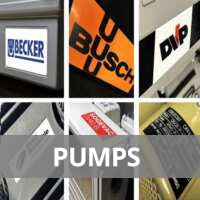
Common industrial vacuum pump brands include Becker, Busch, DVP, Elmo Rietschle, Leybold, Orion, Mink and others. VacAir Superstore supplies, services and repairs many leading vacuum pump brands used throughout UK industry.
Related: View our vacuum pumps, Becker vacuum pumps, Busch vacuum pumps and DVP vacuum pumps.
Vacuum Pump Faults & Troubleshooting
Why has my vacuum pump lost vacuum performance?
Loss of vacuum performance can be caused by worn vanes, blocked filters, contaminated oil, air leaks, damaged seals, incorrect rotation direction, internal wear or an unsuitable pump for the application. In CNC applications, leaks across the vacuum bed, pipework or spoil board are also common causes.
Why is my vacuum pump smoking?
Smoke or mist from the exhaust of a vacuum pump is commonly caused by contaminated oil, incorrect oil level, blocked oil separators, worn exhaust filters, excessive operating temperature or internal wear. In some cases, moisture or condensate entering the pump can also cause visible vapour from the exhaust.
Why is my vacuum pump noisy?
Unusual noise from a vacuum pump may indicate worn bearings, broken vanes, internal contact, coupling problems, loose components, poor lubrication or contamination inside the pump. Continued operation can cause more serious internal damage if the fault is ignored.
Why is my vacuum pump overheating?
A vacuum pump may overheat due to blocked filters, poor ventilation, contaminated oil, incorrect oil level, blocked exhaust separators, high ambient temperature, excessive back pressure or prolonged operation outside the pump’s intended duty range.
Why does my vacuum pump keep tripping out?
Electrical trip-outs can be caused by motor faults, overload, seized or tight pump internals, poor supply voltage, incorrect wiring, contamination, blocked exhaust filters or mechanical damage. A pump that repeatedly trips should be inspected before being restarted.
What causes emulsified vacuum pump oil?
Emulsified vacuum pump oil usually occurs when moisture, water vapour or process contamination mixes with the oil. This reduces lubrication quality and can increase wear inside the pump. Regular oil changes and correct process protection can help reduce the issue.
Can dust damage a vacuum pump?
Yes. Dust can block filters, restrict airflow, contaminate oil, wear internal components and cause vanes to stick or break. Wood dust, powder, paper dust and process debris are common causes of vacuum pump problems in industrial environments.
Need help diagnosing a fault? Call 0113 2088501 or visit our vacuum pump repairs page.
Vacuum Pump Servicing
How often should a vacuum pump be serviced?
Service intervals depend on the pump type, application, running hours and working environment. Pumps operating in dusty, hot or continuous-duty conditions normally require more frequent servicing than pumps used in clean, intermittent applications.
What is included in a vacuum pump service?
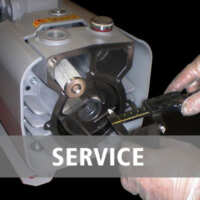
A vacuum pump service may include replacing filters, oil, oil separators, vanes, gaskets and other wear parts, depending on the pump type. A proper service should also include inspection of internal condition, vacuum performance, noise, temperature and general operation.
How often should vacuum pump oil be changed?
Vacuum pump oil should be changed according to the pump manufacturer’s recommendations and the severity of the application. Oil should be changed sooner if it becomes dark, contaminated, emulsified, overheated or affected by process vapour.
Is a basic service the same as a full overhaul?
No. A basic service usually replaces routine wear parts such as filters, oil, separators and vanes. A full overhaul involves deeper inspection, dismantling, cleaning, measurement, bearing replacement, internal checks and rebuild work where required.
Can poor servicing cause vacuum pump failure?
Yes. Poor servicing, incorrect parts, wrong oil, blocked filters or missed internal wear can lead to reduced vacuum performance, overheating, broken vanes, bearing failure and major pump damage.
Related: View our vacuum pump servicing for repairs and servicing.
CNC Vacuum Pump Questions
Why does my CNC router lose vacuum hold-down?
Loss of vacuum hold-down on a CNC router can be caused by worn pump vanes, blocked filters, leaking pipework, damaged seals, poor spoil board condition, porous material, incorrect zoning, insufficient pump capacity or leaks across the vacuum bed.
What vacuum pumps are commonly used on CNC routers?
Common vacuum pumps used on CNC woodworking routers include Becker VTLF and KVT dry running pumps, Busch Mink claw pumps, DVP rotary vane pumps, Claw and side channel blowers. The best option depends on bed size, leakage rate, duty cycle and the type of materials being machined.
What vacuum level should a CNC router achieve?
The required vacuum level depends on the CNC bed, material, spoil board, gasketing and cutting process. Some CNC applications need high vacuum, while others depend more heavily on airflow. A system with excessive leakage may show poor hold-down even when the vacuum pump itself is working correctly.
Why do parts move on my CNC vacuum bed?
Parts may move on a CNC vacuum bed because of insufficient vacuum, excessive bed leakage, poor spoil board sealing, blocked filters, worn pump vanes, incorrect zoning, small part size, high cutting forces or unsuitable tooling strategy.
Can a blocked filter affect CNC vacuum hold-down?
Yes. Blocked filters can restrict airflow and reduce the pump’s ability to maintain vacuum under leakage. In woodworking applications, dust and debris can quickly affect pump performance if filters are not checked and replaced regularly.
Which CNC machine manufacturers commonly use vacuum pumps?
Vacuum pumps are commonly used on CNC routers and machining centres from manufacturers such as Biesse, Homag, Weeke, SCM, Morbidelli, Anderson, Multicam, Felder, Masterwood and other woodworking machinery brands.
Related: Read our guide to CNC woodworking vacuum pumps.
Vacuum Pump Vanes & Spares
What do vacuum pump vanes do?
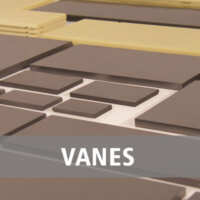
Vacuum pump vanes slide in and out of the rotor slots as the pump turns. They create chambers that draw air in, compress it and discharge it through the exhaust. Worn or damaged vanes can reduce vacuum performance and may eventually cause pump failure.
How long do vacuum pump vanes last?
Vane life depends on the pump model, running hours, operating temperature, filtration, application and contamination level. In dusty environments such as woodworking, vane wear can accelerate if filters are blocked or maintenance is delayed.
Why do vacuum pump vanes break?
Vacuum pump vanes can break due to wear, contamination, overheating, blocked filters, incorrect installation, internal scoring, moisture, process debris or continued operation after the recommended service interval.
Can I replace vacuum pump vanes myself?
Some vacuum pump vanes can be replaced on-site by experienced maintenance personnel. However, vane replacement should also include inspection of filters, rotor condition, internal wear, bearings, seals and pump performance to avoid repeat failure.
Should I use genuine or aftermarket vacuum pump vanes?
The correct choice depends on the application and pump model. High-quality replacement vanes can perform well when correctly specified, but poor-quality vanes can wear quickly, break or damage the pump. It is important to use vanes that match the pump specification and application. We manufacture all our vanes with exacting standards to equal or surpass OEM vanes, and have been selling them since 1996, being the first to offer replacement carbon vanes in the UK. Suppliers of expensive vanes will naturally suggest lower cost vanes are inferior.
Related: View our vacuum pump vanes and vacuum pump spares.
Oil Lubricated Vacuum Pumps
What is an oil lubricated vacuum pump?
An oil lubricated vacuum pump uses oil for sealing, lubrication and cooling inside the pump. These pumps are commonly used where higher vacuum levels are required, including packaging, food processing, plastics, printing and industrial process applications.
Why is oil important in an oil lubricated vacuum pump?
Oil helps seal internal clearances, lubricate moving parts, reduce wear and carry heat away from the pump. Incorrect, contaminated or degraded oil can reduce vacuum performance and increase the risk of internal damage.
Why is oil coming out of my vacuum pump exhaust?
Oil from the exhaust can be caused by blocked or saturated oil separators, incorrect oil level, poor-quality oil, excessive operating temperature, internal wear or process contamination. The pump should be checked before further damage occurs.
Can I use any oil in a vacuum pump?
No. Vacuum pumps require oil suitable for the specific pump type and application. Using the wrong oil can reduce vacuum performance, increase wear, create overheating problems and shorten pump life.
Dry Running Vacuum Pumps
What is a dry running rotary vane vacuum pump?
A dry running rotary vane vacuum pump uses carbon or composite vanes and does not use oil in the compression chamber. These pumps are widely used in applications such as printing, woodworking, CNC routing, packaging and general industrial vacuum systems.
Do dry running vacuum pumps need servicing?
Yes. Dry running pumps still require servicing. Typical service items include vanes, inlet filters, exhaust filters, bearings, gaskets and general inspection. Dusty or continuous-duty applications usually require shorter service intervals.
What happens if dry running pump vanes wear too far?
If vanes wear beyond their recommended limit, vacuum performance will fall and the vanes may break. Broken vanes can cause internal scoring, rotor damage and more expensive repair work.
Are claw pumps lower maintenance than rotary vane pumps?
Claw vacuum pumps can offer lower routine maintenance because they do not use vanes in the compression chamber. They can be a good alternative in some applications, although the correct choice depends on vacuum level, airflow, contamination, budget and duty cycle.
Side Channel Blowers
What is a side channel blower?
A side channel blower, also known as a ring blower or regenerative blower, is an air-moving machine used for vacuum or pressure applications. They are commonly used where high airflow and relatively low vacuum or pressure is required.
What is the difference between a side channel blower and a vacuum pump?
A side channel blower usually produces high airflow at lower vacuum levels, while a vacuum pump is generally used where deeper vacuum is required. The correct choice depends on the application, leakage rate, vacuum level and airflow requirement.
Can side channel blowers be used for vacuum hold-down?
Yes, side channel blowers can be used for some vacuum hold-down applications, particularly where the system has high leakage and requires airflow rather than deep vacuum. They may not be suitable where a stronger vacuum level is required.
Related: View our side channel blowers.
Repairs & Breakdown Support
Do you offer vacuum pump repairs?
Yes. VacAir Superstore provides vacuum pump repairs, servicing, fault diagnosis and emergency breakdown support throughout the UK. We repair many major brands including Becker, Busch, DVP, Elmo Rietschle and Leybold.
Do you offer emergency vacuum pump breakdown support?
Yes. VacAir Superstore supports urgent vacuum pump breakdowns and production-critical faults. We can help diagnose problems, supply spares, arrange repair work and advise on suitable replacement or loan pump options where available.
Do you offer loan vacuum pumps?
Subject to availability, loan vacuum pumps can often be supplied during repair work to help reduce production downtime. Availability depends on the pump type, size, application and current stock.
Can you collect a vacuum pump for repair?
In many cases, vacuum pumps can be collected or shipped to our workshop for assessment, service or repair. Contact us with the pump make, model, symptoms and your location so we can advise the best option.
Which vacuum pump brands do you repair?
VacAir Superstore repairs and services many industrial vacuum pump brands, including Becker, Busch, DVP, Elmo Rietschle, Leybold and other common vacuum pump manufacturers used throughout UK industry.
Can you supply a replacement vacuum pump?
Yes. VacAir Superstore can supply new and replacement vacuum pumps for many industrial applications. We can help identify a suitable replacement based on the existing pump model, application, vacuum level, airflow requirement and duty cycle.
For urgent help, call VacAir Superstore on 0113 2088501 or email sales@vacair-superstore.com.

Trust VacAir Superstore for all your vacuum pump needs.
Contact us today to learn how we can help you save money and keep your operations running smoothly.