




The 5 Silent Saboteurs: Common Vacuum Pump Failures and Prevention Tips
Vacuum pumps are the unsung workhorses of countless industries, from medical labs and food packaging such as a Multivac Chamber Packing Machine, to heavy manufacturing. When your pump stops performing, your entire operation can grind to a halt.
While a pump failure can feel sudden, it is often the result of small, avoidable issues escalating over time. At VacAir, we’ve seen it all. We’ve compiled a list of the five most common vacuum pump failures and, more importantly, the simple preventative steps you can take to keep your system running smoothly.
1. Failure: Loss of Vacuum/Insufficient Vacuum Level
This is the most direct sign of trouble—your pump is running, but you can’t achieve or maintain the required low pressure.
The Root Causes:
- System Leaks: A leak in the pipework or fittings are the most common culprits.
- Worn or Sticking Vanes: When vanes are worn to or below the OEM recommendation, or are sticking in the slots vacuum levels can be reduced.
- Contaminated or Low Oil (for oil-lubricated pumps): Dirty or insufficient oil cannot properly lubricate and seal the internal chambers.
Prevention: Be a Leak Detective
- Routine Leak Checks: Periodically check your entire system (hoses, connections, gaskets, and seals). A suitable a leak detector could be used, but often a failure such as a split hose is obvious.
- Inspect and Replace Worn Parts: Follow the manufacturer’s recommended schedule for inspecting and replacing internal components like vanes, seals, and O-rings.
- Maintain Oil Quality: Never skip an oil change. Check the oil level and colour daily; if it appears milky, cloudy, or excessively dark, change it immediately to prevent internal damage and maintain a proper seal.
2. Failure: Overheating (Excessive Running Temperature)
A pump that is too hot is a pump on the verge of breakdown. Excessive heat rapidly degrades internal components, leading to a seized pump or motor burnout.
The Root Causes:
- Clogged Filters: Blocked inlet or exhaust filters restrict airflow and force the pump to work harder, generating more heat.
- Improper Ventilation: The pump is installed in a confined space with no room for heat dissipation.
- Contaminated Oil: Oil that is broken down or contaminated cannot effectively lubricate and cool the pump.
Prevention: Give Your Pump Room to Breathe
- Clean or Replace Filters: Inspect all filters (inlet and exhaust) as part of your weekly routine. Clogged filters are a major drain on efficiency and a direct cause of overheating.
- Ensure Proper Ventilation: Make sure the pump is located in an area with sufficient airflow. Follow the manufacturer’s guidelines for required clearance around the unit.
- Monitor the Temperature: Use an infrared thermometer to track the operating temperature. A sudden spike is an early warning sign that something is restricting the pump’s normal operation.
3. Failure: Excessive Noise or Vibration
While a certain level of noise is normal, loud rattling, grinding, or screeching sounds are a cry for help from a component that is about to fail.
The Root Causes:
- Bearing Failure: Worn-out or damaged bearings are a primary source of grinding noise and vibration.
- Broken/Sticking Vanes: In rotary vane pumps, broken or sticking vanes can cause a change in tone or screeching noise.
- Misalignment: Incorrect installation or mounting can cause components to rub or vibrate excessively.
Prevention: Listen Closely
- Establish a Baseline: Get to know the normal sound of your pump when it’s healthy. Any significant change in pitch or volume warrants immediate investigation.
- Worn or Broken vanes: Check the vanes regularly, they may need to be changed before the next service. Clean the slots before installing new vanes (see our carbon vane blog)
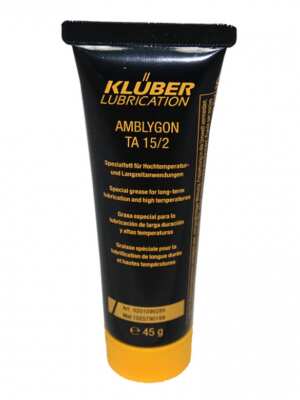
- Check the Bearings: Bearings have a finite lifespan. Follow your maintenance manual for replacement intervals and ensure proper lubrication (if required). Don’t skimp on bearing grease, pumps need a high quality, high temperature grease. Saving a few pounds on grease can lead to a catastrophic failure of the bearing resulting in a needless more expensive repair.
- Secure Mounting: Routinely check that all rubber mounting feet and anchor points are tight to prevent unnecessary vibration that can loosen internal parts.
4. Failure: Oil Misting or Smoke from the Exhaust
This is a clear indicator that something is wrong with the pump’s ability to manage its lubricating fluid or that it is struggling with the process vapors.
The Root Causes:
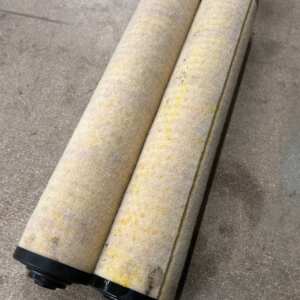
- Saturated Oil Mist Filter: The oil mist separator filter is completely clogged and can no longer capture oil vapor, allowing it to escape into the atmosphere.
- Wrong Oil Type: Using an oil not designed for vacuum service or a contaminated oil can cause excessive vaporisation. An oil with the wrong viscosity can either lead to oil escaping the pump or oil thickening and seizing the pump.
- High Gas/Vapor Load: The pump is handling a process with a high concentration of condensable vapors (like water), which are overwhelming the oil.
Prevention: Manage Your Process & Filtration
- Change the Oil Separator : This is a crucial filter that is often neglected. Replace it according to schedule to prevent oil from misting out.
- Use a Gas Ballast: If your process involves high vapor loads, engage the gas ballast. This introduces a small amount of clean, dry air to prevent vapors from condensing inside the pump and contaminating the oil.
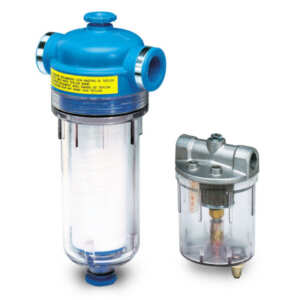
- Pre-filtration/Traps: Consider installing an inlet trap or filter to capture high levels of moisture, dirt, or solvents before they even reach the pump.
Used Oil Separators
Water Traps
5. Failure: Pump Fails to Start
Your pump won’t turn on, or it trips the breaker as soon as you hit the start button.
The Root Causes:
- Electrical Issues: Incorrect voltage, wiring issues, or a motor overload.
- Seized Pump: Internal mechanical failure (like a broken vane or severely contaminated oil) has caused the rotor to physically lock up.
Prevention: Mind the Electricals and the Mechanics
- Verify Power Connections: Always confirm that the motor is correctly wired to match the incoming voltage. This is a common and easily avoidable startup mistake.
- Never Force a Start: If the pump doesn’t turn over, do not keep trying. You risk burning out the motor. Instead, isolate the power and check for a mechanical issue like a seized rotor due to contamination.
- Proactive Maintenance: A pump that receives regular oil and filter changes is much less likely to seize than one that is neglected.
The VacAir Takeaway
Most expensive pump repairs can be traced back to the neglect of two simple components: grease and oil quality and filter condition.
By making daily visual checks, adhering to the manufacturer’s maintenance schedule, and addressing early warning signs (like noise or heat), you can drastically extend your vacuum pump’s life and protect your production schedule.
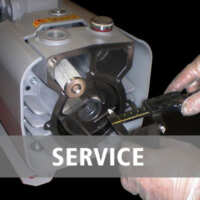
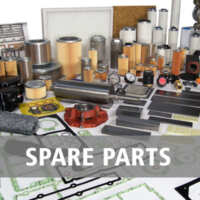
Need help establishing a proactive maintenance schedule for your equipment? Contact the experts at VacAir today for service, genuine and replacement parts as well as expert advice.



Trust VacAir Superstore for all your vacuum pump needs.
Contact us today to learn how we can help you save money and keep your operations running smoothly.
