




Keeping the Pressure On: Your Essential Vacuum Pump Maintenance Checklist & Step-by-Step Guide
A vacuum pump is a critical component in many industries and applications, from laboratory science to manufacturing and HVAC. Much like an engine in a car, regular maintenance is not just a recommendation—it’s essential for ensuring peak performance, preventing costly downtime, and extending the pump’s overall lifespan. Ignoring routine checks can lead to oil contamination, premature wear on internal components, and ultimately, system failure.
This guide provides an overview of essential maintenance and a practical checklist for routine checks to keep your vacuum pump operating smoothly and efficiently.
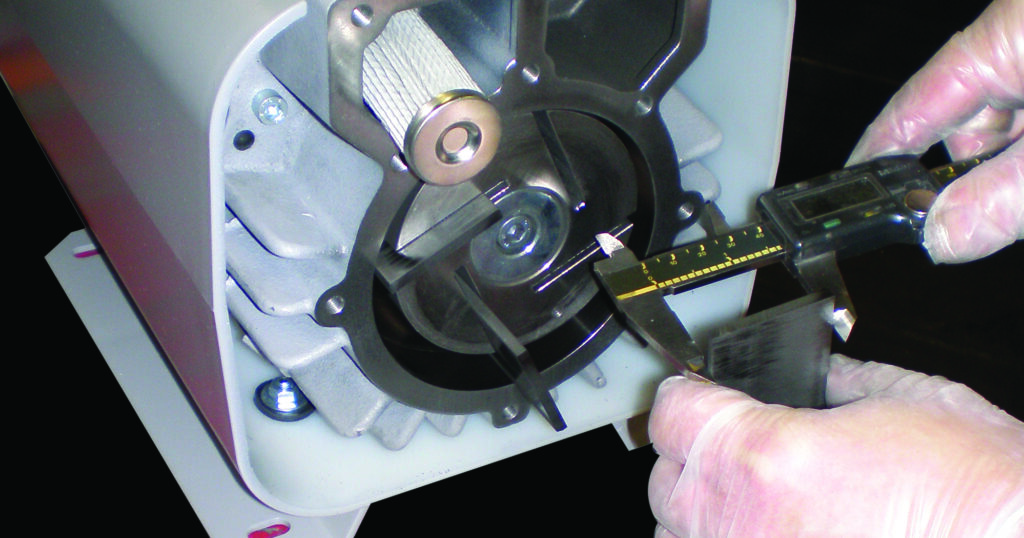
Routine Maintenance Step-by-Step Guide
Regular, short-term maintenance is your first line of defence against pump issues.
1. Check Oil Level and Condition (Oil-lubricated Pumps):
- Step 1: Inspect the Sight Glass. With the pump off (and locked out/tagged out, if necessary) or running (as per manufacturer’s instructions), check the oil level using the sight glass. The oil should typically be halfway up the glass, or within the manufacturer-specified lines.
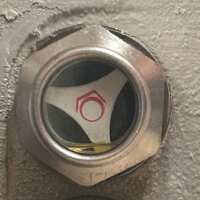
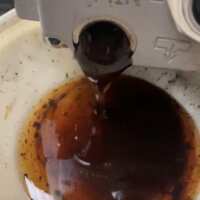
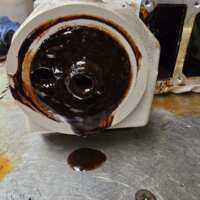
- Step 2: Note the Oil’s Appearance. Observe the oil’s colour and clarity. Clean oil is usually clear or a light amber/brown. If the oil is dark, cloudy, or milky (indicating water/moisture contamination), it needs to be changed immediately.
2. Inspect and Maintain Filters:
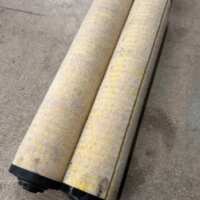
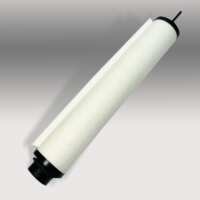
- Step 1: Visual Check. Routinely inspect the inlet (intake) and exhaust filters. Look for visible signs of clogging, dirt build-up, or physical damage. Check the oil mist separators for saturation.
- Step 2: Clean/Replace. Clean reusable inlet filters according to manufacturer guidelines. Replace disposable filters and the oil mist exhaust filter element if they appear dirty, clogged, or saturated with oil. Clogged filters restrict airflow and can strain the pump.
3. Visual Inspection for Leaks and Damage:
- Step 1: Scan the Exterior. Look over the entire pump housing, connections, seals, and gaskets.
- Step 2: Check for Leaks. Look for any signs of oil leakage around seals, the drain plug, or connections. Even minor leaks should be addressed promptly as they can lead to oil loss and contamination.
- Step 3: Check Connections. Ensure all fittings, hoses, and electrical connections are secure and free of wear or damage.
4. Monitor Operating Performance:
- Step 1: Listen for Abnormal Noises. During operation, listen closely. Unusual sounds—such as grinding, knocking, or excessive rattling—are indicators of potential internal damage . If you hear something strange, shut down the pump immediately.
- Step 2: Check Temperature and Vibration. Feel the pump casing and motor (carefully, as they can be hot) for excessive temperature. Also, check for unusually strong or extreme vibrations, which could signal misalignment or an internal problem.
Vacuum Pump Maintenance Checklist
Why Choose VacAir Superstore for Your Vacuum Pump Repairs?
- Factory-Trained Engineers: Our team is trained directly by the original equipment manufacturers (OEMs), giving us unparalleled knowledge.
- Guaranteed Quality: All our repairs and services are quality-assured to ISO9001:2015 standards.
- Loan Pump Service: To keep your production running, we can provide a loan pump while your unit is in for repair.
- Cost-Effective Solutions: Our independent status allows us to offer competitive pricing, often keeping repair costs significantly lower than expensive replacements.

Vacuum Pump Oil by Manufacturer
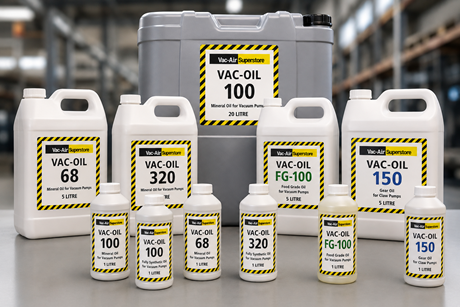
We supply can supply OEM vacuum pump oils and but more often our cost-effective alternative is the more desirable solution for many of the world’s leading vacuum pump manufacturers.
- Becker Vacuum Pump Oil
- Busch Vacuum Pump Oil
- Leybold Vacuum Pump Oil
- Elmo Rietschle
- Edwards Pumps Oil
- DVP Pump Oil
Written by VacAir Engineers
Reviewed by Vacuum Pump Service Team
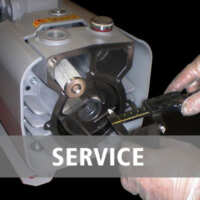
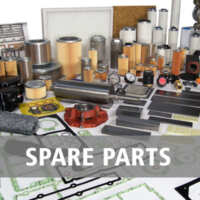

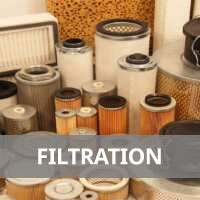

Trust VacAir Superstore for all your vacuum pump needs.
Contact us today to learn how we can help you save money and keep your operations running smoothly.
