




Vacuum lifting systems rely on dependable vacuum generation to lift, grip, transfer and position materials safely. Whether the application is glass handling, sheet metal lifting, stone slabs, timber boards, cardboard packs, plastic sheets or automated pick-and-place equipment, the vacuum pump is a critical part of the lifting system.
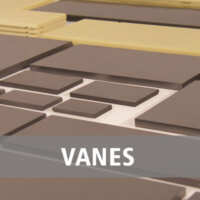
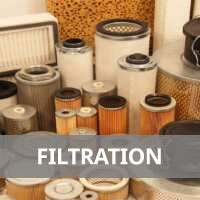
VacAir Superstore supplies, services and repairs industrial vacuum pumps used in vacuum lifting equipment across the UK. We support OEM-style replacement pumps, equivalent alternatives, spare parts, filters, carbon vanes and workshop overhaul for many common vacuum lifting pump types.
For urgent breakdowns, replacement pumps or advice on pump suitability, call 0113 2088501 or email sales@vacair-superstore.com.


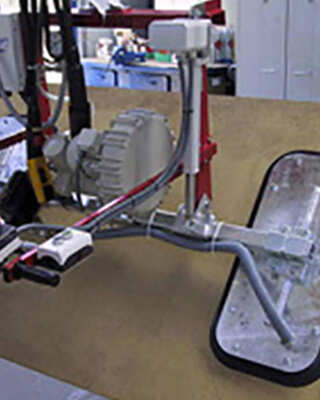
Vacuum lifting applications we support
Vacuum lifting is used wherever a load needs to be held by suction rather than clamps, hooks or mechanical gripping. The pump must create enough vacuum to hold the load, but it must also provide enough flow to overcome leakage through pads, pipework, seals, porous materials and surface irregularities.
Typical vacuum lifting applications include:
- Glass handling and glazing equipment
- Sheet metal and steel plate lifting
- Stone, granite and marble slab handling
- Timber boards, MDF, chipboard and laminate sheet lifting
- Plastic sheet, acrylic and composite panel lifting
- Box, carton and packaging handling
- Robotic pick-and-place systems
- Material handling gantries and crane-mounted lifters
Why the pump choice matters
A vacuum lifter is only as reliable as the complete vacuum circuit. A pump that is too small may reach vacuum slowly, struggle with porous materials or fail to recover quickly after a leak. A pump that is incorrectly specified may also create excessive heat, noise, maintenance cost or energy use.
VacAir can help identify whether your lifting system needs a dry running rotary vane pump, oil lubricated rotary vane pump, side channel blower, claw pump or a like-for-like replacement for an existing unit. We can also advise on common pump wear issues including worn carbon vanes, blocked filters, low flow, overheating, oil misting and poor vacuum performance.
View new vacuum pumps or contact us for a direct recommendation.
Vacuum lifting is about vacuum level and flow
In lifting applications, vacuum level and air flow both matter. Vacuum level creates the holding force at the suction pad, while flow helps the system evacuate the cups quickly and compensate for leakage. Smooth, non-porous materials such as glass or polished metal may need less continuous flow once sealed. Porous or rough materials such as timber, cardboard, stone or textured panels often need higher flow because air continues to leak into the system.
This is why two vacuum lifting systems with a similar load weight can require very different pump sizes. Pad area, safety factor, leakage rate, pipe size, cycle time, material porosity and whether the lift is horizontal or vertical all affect the correct pump selection.
Non-porous materials
Glass, smooth metal and polished plastic sheets can often seal well against suction pads. These applications usually require reliable vacuum level, fast evacuation and good protection against contamination.
Porous or uneven materials
Timber, cardboard, stone, concrete, MDF and textured surfaces can leak constantly through or around the load. These applications often need higher flow or a larger pump to maintain safe holding force.
Fast cycling automation
Robotic pick-and-place systems need rapid vacuum build-up and release. The pump or vacuum generator must match the duty cycle, cup layout and response time required by the handling system.
Common vacuum pump types used in vacuum lifting
Vacuum lifting equipment can use several different vacuum generation technologies. The best choice depends on the material being lifted, leakage level, required vacuum, operating hours, noise limits, available compressed air and whether the system is manual, crane-mounted or automated.
Dry running rotary vane vacuum pumps
Dry running rotary vane pumps from Becker, DVP and Elmo Rietschle are common in industrial vacuum lifting because they are compact, clean, relatively simple and well suited to many medium-vacuum lifting duties. They use self-lubricating carbon graphite vanes, so there is no oil in the pumping chamber.
They are widely used on lifting systems for glass, sheet materials, packaging, plastics and general handling equipment. Service and maintenance usually involves inlet filters, exhaust filters where fitted, carbon vanes, bearings and routine inspection.
Oil lubricated rotary vane vacuum pumps
Oil lubricated rotary vane pumps, such as Becker, Dvp, Busch and Leybold can achieve deeper vacuum levels and are often used where a stronger vacuum reserve is required. They may be suitable for certain lifting systems where leakage is low and a higher vacuum level is needed, but they require oil, oil separators, oil filters and correct maintenance to avoid smoke, poor performance or oil carry-over.
These pumps are often selected for more demanding industrial vacuum duties, but the suitability depends on the lifting environment and whether oil-lubricated equipment is acceptable near the product or process.
Side channel blowers
Side channel blowers are dry-running and contact-free. They are often used where high air flow is needed at lower vacuum levels, especially where the material leaks air or the application needs a large volume of air movement rather than a deep vacuum.
They can be suitable for porous materials, larger suction areas, lightweight handling and continuous-duty applications. They are not usually the right choice where a deep vacuum is needed, but they can be very effective where flow is more important than ultimate vacuum.
Claw vacuum pumps
Dry claw pumps can be used on larger industrial vacuum systems where higher flow, robust duty and oil-free operation are required. They can be a good option for centralised vacuum systems or heavy-duty material handling applications where the pump must run for long periods.
Claw pumps are usually selected where the duty is beyond a smaller rotary vane pump or where reduced contact wear and oil-free operation are important.
Common pumps found in vacuum lifting systems
The exact pump fitted to a vacuum lifting system depends on the machine builder and the duty. The models below are examples of pump types commonly found in industrial lifting, gripping and material handling applications. VacAir can help identify the existing pump from the nameplate and recommend a replacement, repair or equivalent alternative.
Becker dry running rotary vane pumps
- Becker VT 4.40 – compact dry running vacuum pump for smaller lifting and handling systems.
- Becker VT 4.40 / VT range – common on suction and handling duties where clean, oil-free vacuum is required.
- Becker VTLF 2.250 – larger dry running rotary vane pump for higher flow industrial vacuum duties.
- Becker VTLF 2.500 – high-capacity dry running vacuum pump for larger lifting systems and centralised vacuum demand.
- Becker KVT / KDT and DVT series – used where vacuum, pressure or combined vacuum and pressure functions are required.
Other common industrial pump families
- Elmo Rietschle VTE, VTN, KTA and KTR dry running rotary vane pumps.
- Busch R5 oil lubricated rotary vane pumps where deeper vacuum is required.
- DVP dry running rotary vane pumps and oil lubricated pumps for equivalent replacement options.
- Side channel blowers from Becker, Elmo Rietschle and other industrial manufacturers for high-flow, lower-vacuum lifting duties.
- Dry claw pumps for larger continuous-duty vacuum systems.
VacAir supplies new pumps, replacement pumps, spare parts and service support for many of these pump families.
Typical vacuum lifting problems we diagnose
Many vacuum lifting faults are blamed on the lifter itself, but the root cause is often the vacuum pump, pipework, filters or general vacuum circuit. A pump can still run and sound normal while producing poor flow, slow evacuation or insufficient vacuum under load.
Load drops or slips
This may be caused by low vacuum, poor pad sealing, leakage, undersized pump capacity or worn pump internals.
Slow lifting cycle
Slow vacuum build-up can indicate blocked inlet filters, long pipe runs, leaks, worn vanes or a pump that is too small for the cup volume.
Pump overheating
Overheating may be linked to blocked filters, poor ventilation, excessive duty, running at the wrong vacuum level or internal pump wear.
Excessive noise or dust
Dry vane pumps can become noisy when vanes, bearings or filters are overdue for service. Dust ingress can accelerate wear.
Replacement pumps and equivalent alternatives
If the original vacuum lifting pump is obsolete, expensive or on a long lead time, VacAir can often help with a suitable replacement or equivalent alternative. We can compare flow, vacuum level, motor size, connection position, footprint and duty cycle to help avoid installing a pump that looks similar but performs differently.
For many applications we can offer Becker, Busch, DVP, Elmo Rietschle, Leybold or equivalent pump options depending on the requirement.
Service, repair and spare parts
VacAir provides workshop service and repair for vacuum pumps used on lifting systems. For dry running rotary vane pumps this may include vanes, filters, bearings, seals and performance testing. For oil lubricated pumps this may include oil, oil filters, exhaust separators, gaskets, inlet filters and full inspection.
We can also supply spare parts including carbon vanes, filters and service kits for many common pump models.
Industries using vacuum lifting equipment
Vacuum lifting systems are used across a wide range of manufacturing, fabrication and handling environments. VacAir supports end users, maintenance teams, OEMs and machinery suppliers who need dependable vacuum generation for safe handling and production continuity.
Glass and glazing
Vacuum lifting is widely used for glass sheets, windows, glazing panels and architectural glass handling. Clean vacuum generation and reliable holding force are essential.
Metal fabrication
Sheet metal, steel plate and aluminium panels are frequently moved with vacuum lifting systems to reduce manual handling and speed up production.
Woodworking and panels
MDF, chipboard, laminate and timber boards can require higher flow because the material or surface may allow leakage through the suction circuit.
Stone and construction materials
Stone, concrete, granite and marble lifting often requires robust vacuum equipment and careful consideration of surface texture, dust and safety factor.
Packaging and logistics
Boxes, cartons, sacks and packaged products are often handled with vacuum grippers, vacuum lifters and automated transfer systems.
Automation and robotics
Robotic handling systems may use centralised pumps, local ejectors or a combination of vacuum technologies depending on cycle speed and layout.
What are vacuum lifting systems used for?
Vacuum lifting systems are used to safely lift, move and position materials using suction force. Common applications include sheet metal handling, glass lifting, timber and board handling, packaging lines, plastics, aerospace composites and automated production systems.
Which vacuum pump types are commonly used in vacuum lifting?
Dry running rotary vane vacuum pumps are widely used due to their reliability and continuous-duty capability. Common models include the Becker VTLF and DVT series. Side channel blowers are also used for lower vacuum, high airflow applications.
Why are dry running rotary vane pumps popular for lifting systems?
Dry running rotary vane pumps offer reliable vacuum generation without oil contamination in the working chamber. They are robust, low maintenance and well suited to continuous industrial lifting applications.
What vacuum level is typically required for vacuum lifting?
The required vacuum level depends on the lifting application, material surface and safety factor. Smooth non-porous materials such as glass or metal generally require lower airflow but stable vacuum levels, whilst porous materials may require higher flow rates.
Can vacuum lifting pumps operate continuously?
Yes. Industrial vacuum pumps used in lifting systems are commonly designed for continuous operation in production environments including automated handling and robotic systems.
Does VacAir Superstore supply replacement pumps and spares?
Yes. VacAir Superstore supplies complete vacuum pumps, replacement vanes, filters, service kits and repair support for many vacuum lifting systems throughout the UK.

Trust VacAir Superstore for all your vacuum pump needs.
Contact us today to learn how we can help you save money and keep your operations running smoothly.